
 Takeaways
- Autism Spectrum Disorder (ASD) can affect driving and interactions with police because of sensory sensitivities, processing differences, and communication challenges.
- In some states, drivers can choose to add a note or symbol to their driver’s license or ID to show that they have ASD or another communication disability. The goal is to help law enforcement understand that the person may communicate differently, which can improve safety and understanding during a traffic stop.
- Some states also offer a Blue Envelope Program, which gives drivers with ASD a specially marked blue envelope to keep in their vehicle. Inside, they can keep important documents such as their vehicle registration and proof of insurance. In addition, it may include tips for communicating with police and emergency responders. Its goal is to make traffic stops less stressful and easier to handle.
For many people, driving represents independence, mobility, and access to work, school, and community life. Individuals with autism spectrum disorder are no exception. Many people with autism are capable, safe drivers, but some experience challenges that can affect how they drive or how they interact with law enforcement during traffic stops or accidents.
To help address these challenges, about a dozen states now let people with autism and other communication disabilities choose to add a symbol or note to their driver’s license or state ID. These designations alert law enforcement and first responders that the individual may communicate differently or be sensitive to sounds, lights, or touch. The goal is to help these interactions be calmer, safer, and easier for everyone.
Additionally, some areas in the United States participate in the Blue Envelope Program. This is a separate initiative designed to support people with communication differences during interactions with law enforcement and emergency responders.
What Is Autism Spectrum Disorder?
Autism spectrum disorder (ASD) is a neurodevelopmental condition that affects how a person communicates, processes information, and interacts with the world. ASD is called a “spectrum” because it affects people in different ways and to varying degrees.
Common characteristics may include:
- Differences in verbal or nonverbal communication
- Difficulty with social interaction or interpreting social cues
- Sensory sensitivities, such as to lights, sounds, touch, or movement
- A need for routine or predictability
Autistic individuals’ skills and challenges vary. Many successfully learn to drive, maintain safe driving records, and use adaptive strategies for navigating the road.
How ASD Can Affect Driving
Many people with ASD are excellent drivers. However, some aspects of autism can make driving more challenging for certain individuals, including:
- Sensory overload. Bright lights, loud sirens, flashing police lights, or heavy traffic can be overwhelming.
- Processing speed. Some drivers may take longer to process unexpected events, such as sudden lane changes or emergency vehicles.
- Motor coordination. Differences in coordination or reaction time can affect driving for some individuals.
- Social interactions. Interpreting subtle cues from other drivers or from law enforcement may be challenging.
With proper instruction, practice, and accommodations, many individuals with ASD successfully learn to drive and maintain safe driving records.
Interactions With Police During Traffic Stops or Accidents
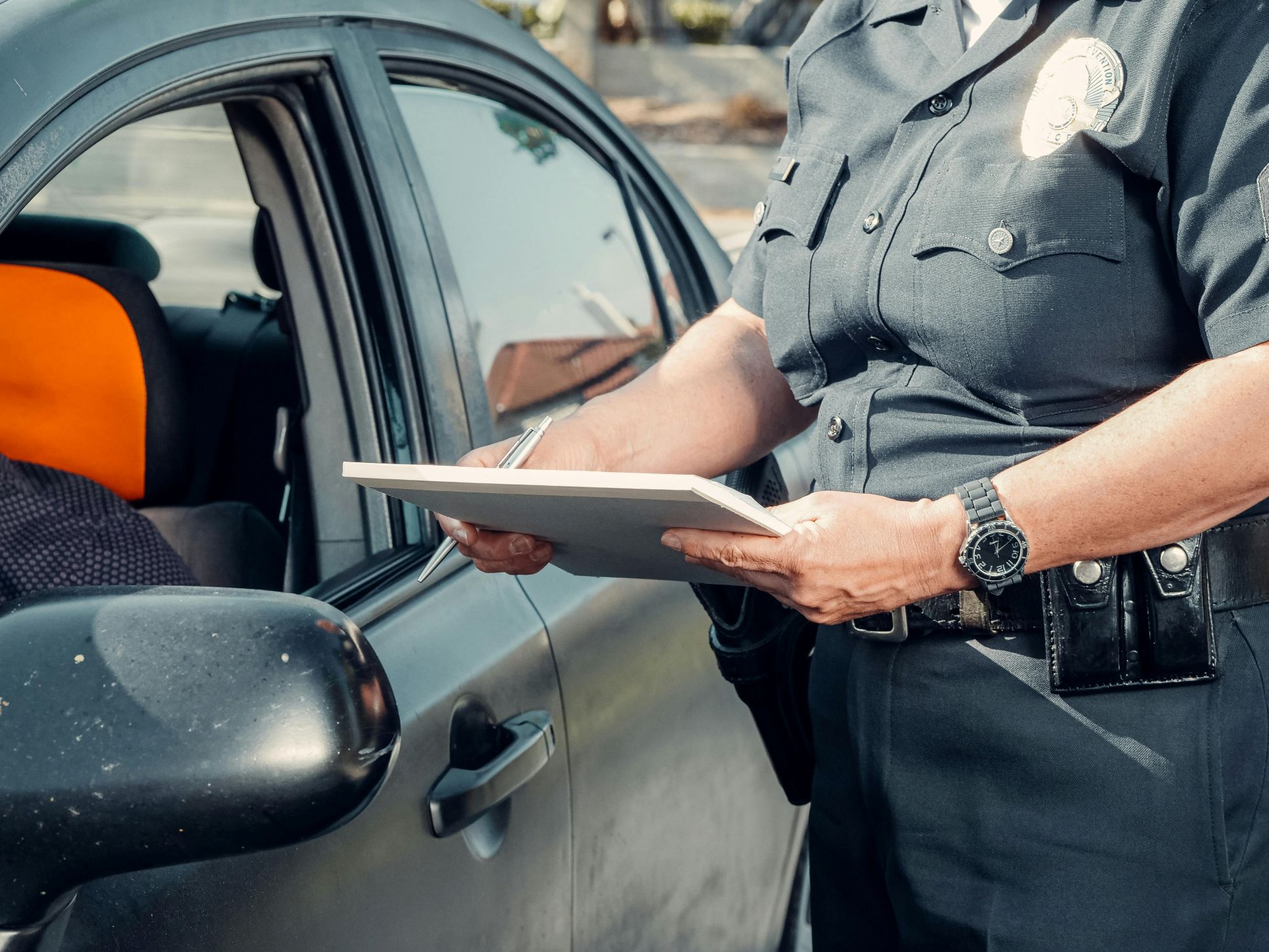
Traffic stops and accidents can be stressful for anyone, but they can be especially challenging for individuals with ASD. Factors that may complicate these interactions can include:
- Difficulty understanding verbal instructions, especially when delivered quickly or loudly
- Limited eye contact or unusual body language, which may cause confusion
- Delayed responses while processing questions
- Anxiety or shutdowns triggered by flashing lights, sirens, or unfamiliar authority figures
- Trouble communicating clearly under stress
Without context, these behaviors can sometimes be misunderstood by law enforcement, potentially escalating an otherwise routine encounter.
Voluntary ASD and Communication Disorder Designations on IDs
To help improve safety and communication, some states allow people with ASD or other communication differences to voluntarily add a note or symbol to their driver’s license or state ID card. This can show police that the person has autism or a communication disorder. These programs are optional, and individuals should decide if it feels right for them and their communication needs.
Potential Benefits of License Designations
When used appropriately, these designations can:
- Alert officers that the individual may communicate differently
- Encourage officers to use clearer, calmer instructions
- Reduce misunderstandings during traffic stops or emergencies
- Improve safety for drivers, passengers, and officers
These designations can provide peace of mind, particularly for autistic teens, new drivers, or adults who experience significant anxiety during police interactions.
Important Considerations and Privacy Concerns
Though there are benefits to using license designations, they may not be right for everyone. Things to consider include:
- Privacy. Some individuals prefer not to disclose their diagnosis.
- Inconsistent awareness in law enforcement. Not all police officers may be trained to recognize or appropriately respond to these designations.
- No guarantee of legal protection or special privileges. A designation does not replace the need for broader law enforcement training on autism and disability awareness.
Families and individuals should think about what feels right for them, how they communicate, and how police in their area usually handle stops.
The Blue Envelope Program
Some states and cities participate in the Blue Envelope Program, which offers a different approach to supporting people with ASD and other communication differences during interactions with police and emergency responders.
The Blue Envelope Program is a voluntary safety initiative that provides participants with a discreet kit, often including a blue envelope or folder containing:
- the person’s driver’s license,
- vehicle registration,
- insurance card,
- emergency contact information,
- information about the person’s communication style and sensory needs, and
- tips for law enforcement or medical personnel
Practical Tips for Autistic Drivers
Aside from designations and programs, autistic drivers may find these strategies helpful:
- Carry a communication card explaining autism and preferred interaction styles
- Practice law enforcement interactions in calm settings
- Take structured driver training with instructors experienced in neurodiversity
- Use calming tools for sensory regulation during stressful moments
Driving independence is an important milestone for many individuals with ASD, and most drivers get around safely. However, differences in communication and sensitivity to sights and sounds can make traffic stops or accidents more stressful. Optional tools like special license designations and the Blue Envelope Program may help reduce misunderstandings and keep everyone safer.
By choosing how and when to share information, using helpful communication tips, and working with local police, people with autism and their families can feel more confident and secure on the road.
Additional Reading
For related reading, check out the following articles: